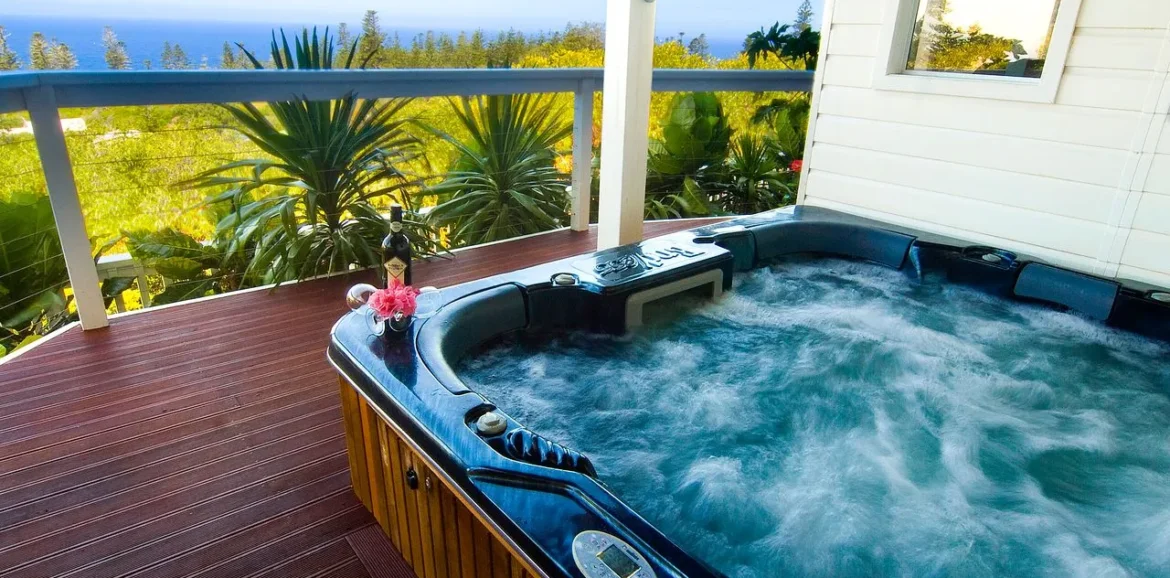
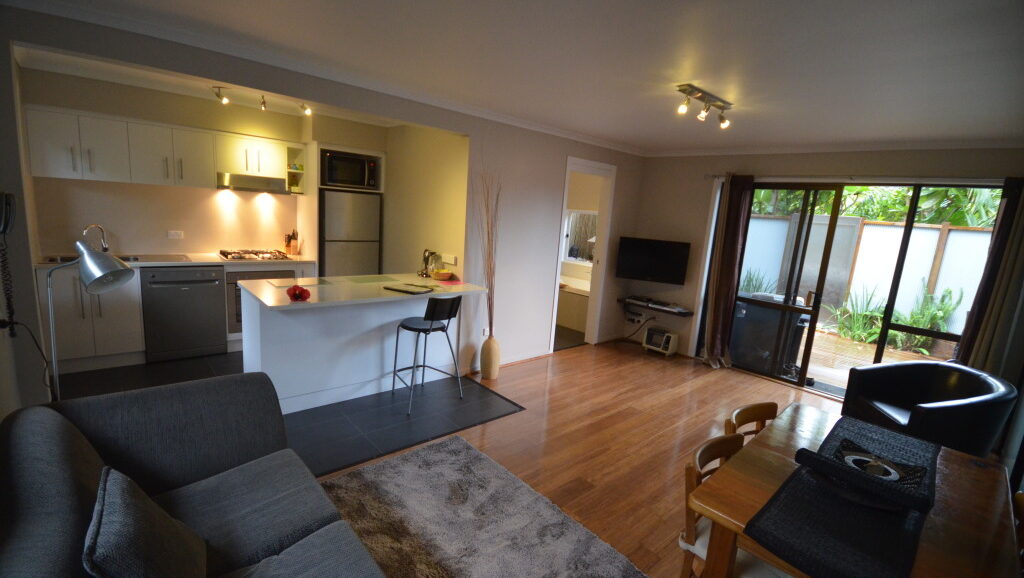
A truly unforgettable holiday goes beyond luxury accommodation. It’s about discovery, connection, and experiences that allow you to explore your destination in meaningful ways. At Cumberland Resort & Spa, guests are encouraged to step beyond the resort and immerse themselves in the beauty, culture, and adventure of the surrounding area.

Local tours offer a unique opportunity to see the destination through the eyes of those who know it best. From scenic coastal journeys to immersive cultural encounters and invigorating outdoor adventures, thoughtfully curated tours can transform your stay into a collection of lasting memories.

Why Local Tours Add Value to Your Stay

Local tours are more than simple excursions. They provide insight, convenience, and depth, allowing guests to experience places that may otherwise remain undiscovered.

Whether you are visiting for relaxation, adventure, or a blend of both, tours help you make the most of your time. They remove the stress of planning while offering structured yet flexible ways to explore.

Island Tours

At Cumberland Resort & Spa, our island tours are designed to showcase the very best of the region, offering guests enriching experiences that complement the comfort and tranquillity of the resort.

Guided Tours: Explore with Confidence and Insight

One of the most popular ways to explore a destination is through guided tours. These tours are led by knowledgeable locals who provide valuable insights into the area’s history, geography, and hidden gems.

The Benefits of Guided Tours

Guided tours allow guests to relax and enjoy the journey without worrying about navigation or logistics. Experienced guides share stories, local knowledge, and cultural context, enhancing the experience far beyond what a self-guided visit can offer.

From scenic viewpoints to lesser-known landmarks, guided tours ensure that you see the destination in a well-rounded and meaningful way.

Cultural Experiences That Bring the Destination to Life

Travel becomes truly memorable when you connect with local culture. Cultural tours offer guests the chance to engage with traditions, heritage, and everyday life in the area.

Cultural Experiences

Through cultural experiences, guests can gain a deeper appreciation of the destination’s identity. These experiences may include visits to historic sites, local communities, or cultural landmarks that reflect the region’s past and present.

Such encounters foster a sense of connection and understanding, making your stay both enriching and rewarding.

Outdoor Activities for Adventure and Exploration

For guests who enjoy active experiences, outdoor tours provide the perfect balance of exploration and excitement. Natural landscapes, scenic coastlines, and open spaces offer countless opportunities to enjoy the outdoors.

Outdoor Activities

Outdoor activities allow guests to experience the destination’s natural beauty in a hands-on way. Whether it’s walking trails, coastal exploration, or nature-based excursions, these activities encourage movement, discovery, and adventure.

Outdoor tours are ideal for guests seeking a refreshing change of pace and a deeper connection with the environment.

Tailored Tours for Different Travel Styles

Every guest travels differently, and the best tours are those that cater to individual interests and preferences. Whether you prefer a relaxed sightseeing experience or an active day outdoors, there are tour options to suit every style.

Flexible Experiences

Some guests may enjoy a leisurely cultural tour, while others seek more energetic outdoor activities. By offering a variety of tour options, resorts ensure that each guest can personalise their stay and create an itinerary that reflects their interests.

This flexibility adds to the overall enjoyment and satisfaction of the holiday experience.

Making the Most of Your Time Away

Holidays are precious, and well-organised tours help guests maximise their time. By choosing curated tours, guests avoid unnecessary delays and enjoy seamless transitions between destinations and activities.

Effortless Planning

Tours organised through Cumberland Resort & Spa are designed with convenience in mind. Whether joining a guided Island tour or a curated local experience, guests can focus on enjoyment rather than planning, knowing that all logistics are handled professionally and efficiently.

This ease allows for a more relaxed and fulfilling stay.

Creating Meaningful Memories Through Experiences

Experiences often leave a deeper impression than places alone. Participating in guided tours, cultural encounters, and outdoor adventures creates moments that guests remember long after their holiday ends.

Lasting Impressions

Shared experiences, whether with family, friends, or fellow travellers, strengthen connections and create stories to cherish. Tours provide the framework for these moments, transforming a simple stay into a collection of meaningful memories.

Tours That Complement Resort Relaxation

A balanced holiday combines exploration with relaxation. After a day of touring, returning to the comfort of a resort enhances the overall experience.

Balance and Comfort

Guests can enjoy the excitement of discovery during the day and unwind in a peaceful resort setting in the evening. This balance ensures that holidays are energising without becoming overwhelming.

At Cumberland Resort & Spa, tours are designed to complement the resort’s calm and welcoming atmosphere.

Ideal for Couples, Families, and Solo Travellers

Local tours cater to a wide range of travellers. Couples may enjoy cultural or scenic tours, families can benefit from engaging outdoor activities, and solo travellers often appreciate guided experiences for social interaction and safety.

Inclusive Experiences

By offering diverse tour options, resorts ensure that every guest finds something enjoyable. Inclusive and adaptable tours enhance the appeal of the destination for all types of visitors.

Enhancing Your Understanding of the Destination

Tours offer context and insight that elevate the travel experience. Learning about the destination’s history, environment, and culture deepens appreciation and understanding.

Educational Value

Guides provide valuable commentary that brings locations to life. This educational element enriches the journey, making it both enjoyable and informative.

Such knowledge adds depth to the experience, turning sightseeing into genuine discovery.

Supporting Local Communities Through Tours

Local tours often support the surrounding community by engaging local guides, businesses, and service providers. This creates a positive impact beyond the guest experience.

Responsible Tourism

By participating in organised tours, guests contribute to sustainable tourism practices that benefit local economies. This responsible approach aligns with modern travel values and enhances the overall integrity of the holiday experience.

Why Choose Tours Through Cumberland Resort & Spa

Choosing tours through Cumberland Resort & Spa ensures quality, convenience, and reliability. Tours are selected to align with guest expectations and the resort’s commitment to excellence.

Quality and Trust

Guests can trust that tours meet high standards of safety, comfort, and experience. This reassurance allows for stress-free exploration and greater enjoyment.

Easy Booking and Clear Information

Clear communication and simple booking processes make it easy for guests to plan their tours. Transparent information about what to expect helps guests make informed decisions.

Seamless Experience

By offering accessible information and support, resorts enhance guest confidence and satisfaction. Guests can plan activities that fit their schedule and interests without complication.

Enhancing Repeat Visits and Recommendations

Positive tour experiences often encourage guests to return or recommend the resort to others. Memorable excursions contribute to overall satisfaction and long-term loyalty.

Building Connections

When guests associate their holiday with exceptional experiences, they are more likely to revisit and share their positive impressions with friends and family.

Combining Tours with Other Resort Experiences

Tours can be paired with other resort offerings to create a well-rounded stay. Guests may combine sightseeing with relaxation, wellness, or leisure activities.

Complete Holiday Experience

This integrated approach ensures that guests enjoy variety and balance throughout their stay, enhancing overall enjoyment and value.

Planning Your Island Adventures

Guests interested in exploring the destination can discover available island tours and select experiences that align with their interests.

Thoughtful Exploration

By planning tours in advance or during their stay, guests can ensure they make the most of their time while enjoying a stress-free holiday.

Final Thoughts: Turn Your Stay into an Unforgettable Journey

Local tours transform a holiday into a journey of discovery. Through guided tours, immersive cultural experiences, and engaging outdoor activities, guests gain a deeper connection to the destination and create lasting memories.

At Cumberland Resort & Spa, thoughtfully curated tours allow guests to explore with confidence, comfort, and curiosity. Guests who would like personalised recommendations or help planning their itinerary can easily reach out via the Contact Us for expert assistance. Whether you seek adventure, culture, or relaxation, local tours enhance every aspect of your stay.


When planning a getaway, the little extras can make a big difference. At Cumberland Resort & Spa, we understand that providing our guests with exclusive bonus items elevates the overall experience, turning a simple stay into a memorable retreat. Whether it’s a relaxing spa treatment, seamless airport transfer, or a convenient rental car, these additions enhance comfort, convenience, and enjoyment.

By offering thoughtful bonus items, resorts like ours can create an added layer of value that guests appreciate. These extras are not just luxuries; they are practical enhancements that make your stay smoother and more indulgent.

Understanding Resort Bonus Items

Resort bonus items are additional services or products included with your booking, often designed to improve the guest experience. They can range from small indulgences to larger, practical inclusions such as transport or wellness services.

Resort Bonus Items

At Cumberland Resort & Spa, our selection of bonus items is carefully curated to meet the diverse needs of our guests. By offering services like rental cars, spa treatments, and airport transfers, we provide convenience and luxury in one package.

These items help guests save time, enjoy added comfort, and create a more seamless and personalised experience.

Enhancing Convenience with Rental Cars

Travel logistics can be one of the most stressful aspects of any holiday. Offering a rental car as a bonus item simplifies travel, giving guests flexibility and independence during their stay.

Benefits of Rental Cars

A rental car allows guests to explore the local area at their own pace. Guests can visit nearby attractions, restaurants, and shopping destinations without relying on public transport or taxi services. This added freedom makes the stay more enjoyable and personalised.

By including rental cars as part of the bonus package, resorts create a sense of convenience that adds real value to a guest’s overall experience.

Indulge in Spa Treatments

A visit to a resort is not complete without moments of relaxation and pampering. Spa treatments are one of the most appreciated bonus items, providing an opportunity to unwind after travel or a busy day of activities.

Spa Treatments

Spa treatments can range from massages and facials to full-body therapies, designed to rejuvenate both body and mind. Including spa experiences as part of your stay allows guests to enjoy indulgent services without additional planning or cost.

The combination of luxury and wellness creates an experience that is both restorative and memorable, helping guests feel valued and cared for.

Simplify Your Arrival with Airport Transfers

Traveling to a resort can sometimes be a challenge, especially when navigating unfamiliar areas. Airport transfers included as part of your booking simplify this process, providing a seamless start and finish to your stay.

Airport Transfers

With airport transfers, guests can relax knowing that transport to and from the resort is taken care of. This ensures comfort, safety, and efficiency, eliminating the stress of arranging taxis or public transport.

Offering airport transfers as a bonus item is a thoughtful gesture that enhances the overall guest experience and creates a sense of being truly looked after from the moment of arrival.

Customising the Guest Experience

The value of bonus items goes beyond their monetary worth; they also create a personalised experience tailored to the needs of each guest. By selecting items that suit lifestyle preferences and travel habits, resorts demonstrate attention to detail and commitment to guest satisfaction.

Personalisation and Luxury

For example, a guest arriving after a long flight may appreciate airport transfer and spa treatment, while a family might find a rental car more valuable for local excursions. By offering choices, resorts ensure that each guest feels their individual needs are acknowledged.

This level of customisation transforms a standard stay into a memorable, bespoke experience.

Boosting Guest Satisfaction

Including Resort bonus items has a direct impact on guest satisfaction. Guests feel that they are receiving more than just accommodation, they are receiving thoughtful services that enhance comfort and enjoyment.

Value Perception

Providing services like rental cars, spa treatments, and airport transfers improves guests’ perception of value. Guests are more likely to remember the experience positively, return for future visits, and recommend the resort to friends and family.

This demonstrates that thoughtful inclusions can elevate the reputation and appeal of a resort.

Encouraging Longer Stays

Bonus items can also incentivise guests to extend their stay. A guest with access to a rental car or spa treatments may plan additional activities or make full use of the resort’s facilities, thereby enriching their holiday experience.

Added Engagement

Longer stays benefit both the guest and the resort. Guests enjoy a more relaxed and immersive experience, while the resort benefits from increased occupancy and ancillary spending. Strategically offered bonus items can be a powerful tool in encouraging extended bookings.

Creating Memorable Experiences

Ultimately, the goal of any resort bonus item is to create lasting memories. Guests are more likely to recall a stay fondly when small touches, such as spa treatments or seamless transfers, make their visit effortless and enjoyable.

Memorable Stays

By including well-thought-out bonus items, resorts can enhance both the physical and emotional aspects of a stay. Guests associate these gestures with care and attention, leaving them with a sense of being valued.

This is particularly important in today’s competitive hospitality market, where the experience often matters more than the room itself.

Increasing the Perceived Luxury

Luxury is often defined by the little details. Bonus items can elevate a stay from comfortable to luxurious, providing extras that guests may not have expected but greatly appreciate.

Luxury Additions

A guest arriving to find a pre-booked spa treatment or an arranged rental car feels the convenience and indulgence of thoughtful planning. These extras are simple ways to communicate the resort’s commitment to comfort, service, and quality.

Offering luxury-focused bonus items reinforces the resort’s brand and positions it as a premium destination.

Benefits for Business Travelers

Resorts that cater to both leisure and business guests can use bonus items strategically to meet different needs. For business travelers, time-saving services like airport transfers or car rentals can be particularly valuable, ensuring they can focus on meetings or events without worrying about logistics.

Business Convenience

Similarly, offering spa treatments or relaxation packages after a long day of work provides opportunities for stress relief and wellness, enhancing overall satisfaction. Tailored bonus items demonstrate that the resort understands the specific requirements of business travelers.

Benefits for Families and Group Stays

Families and groups can also benefit significantly from bonus items. Rental cars provide freedom to explore local attractions, while spa treatments can offer parents a moment of respite. Airport transfers simplify travel logistics for larger parties, reducing stress and creating a smoother experience for everyone.

Family-Friendly Extras

By providing these thoughtful services, resorts create a more enjoyable experience for families, which can lead to higher levels of satisfaction and repeat bookings.

Boosting Loyalty Through Thoughtful Extras

Thoughtful bonus items help build loyalty by showing that the resort values the guest experience beyond standard amenities. When guests feel cared for, they are more likely to return and recommend the resort to others.

Long-Term Benefits

Bonus items also provide an opportunity to stand out in a competitive hospitality market. Guests often compare resorts based on value and experience, and carefully selected inclusions can make a significant difference in decision-making.

Marketing and Promotion of Bonus Items

Highlighting bonus items in promotional materials can attract potential guests and differentiate a resort from competitors. By showcasing services like rental cars, spa treatments, and airport transfers, resorts can communicate a higher level of service and convenience.

Visibility and Appeal

Feature bonus items on booking pages, social media, and email campaigns to increase awareness and encourage bookings. The perception of added value can make guests more likely to choose your resort over others.

Planning Your Stay with Bonus Items

Guests can plan their stay more effectively when bonus items are clearly communicated and easy to access. Offering a range of services ensures that guests can tailor their experience to suit their preferences.

Easy Access and Planning

Cumberland Resort & Spa makes it simple for guests to take advantage of bonus items, ensuring that booking and scheduling are convenient and transparent. This thoughtful approach enhances overall satisfaction and encourages repeat visits.

Ensuring Quality and Consistency

For bonus items to add value, they must be high quality and consistently delivered. Guests’ expectations are high, and services like rental cars, spa treatments, and airport transfers must meet or exceed these expectations.

Maintaining Standards

Regular quality checks, professional partnerships, and clear communication with guests help ensure that bonus items contribute positively to the overall experience. Consistency in delivery is key to building trust and enhancing perceived value.

Final Thoughts: Maximising Your Resort Experience

Adding extra value through exclusive bonus items transforms a simple stay into a memorable experience. By providing practical conveniences like rental cars and airport transfers, alongside indulgent luxuries like spa treatments, resorts enhance comfort, convenience, and satisfaction for every guest.

These thoughtfully curated inclusions are more than perks, they are an essential component of a complete, high-quality stay. At Cumberland Resort & Spa, we are committed to providing guests with memorable experiences that go beyond expectations.

To learn more about our exclusive bonus items and how they can enhance your visit, contact us today or explore the range available on our website.

An accommodation package can make planning easier, but not all packages are built the same way. One may include breakfast and a hire car, while another covers only the room for a set number of nights. Without a clear checklist, it is easy to pay for items you will not use or miss details that affect your stay.

This guide explains what a Norfolk Island accommodation package typically involves, which features are worth checking and how to compare options fairly. It is written for travellers who want practical information before they book, whether they are visiting as a couple, a family or a group.

What Is an Accommodation Package?

An accommodation package combines a room with one or more additional items for a single price. Common inclusions are breakfast, airport transfers, hire cars, activities, dining credits or spa access. Some packages also include flights, although not all providers offer that option.

The benefit is simplicity. You know what is included, and the price may be lower than buying each item separately. The risk is that a package can hide poor value if the extras do not suit you or if the terms are restrictive. A clear comparison protects you from both problems.

Why Packages Suit Norfolk Island

Norfolk Island is a small, remote destination with limited flights and a smaller supply of rooms than a major city. Services such as transport and dining can also be more limited, particularly during busy periods. A package that coordinates several elements can reduce the number of separate bookings and help ensure that essentials, like a vehicle, are arranged ahead of time.

That does not mean a package is always the best choice. Travellers with specific plans or a strong preference for certain providers may still choose to book each piece on its own. The aim is to understand what you are getting so you can decide.

Key Features to Check in a Package

Number of Nights and Date Rules

Confirm the minimum and maximum number of nights, and check whether the package runs on fixed dates or can be adjusted. Because flights to the island operate on specific days, your dates may need to align with the flight schedule. Find out whether extra nights can be added before or after the main stay, and what they cost.

Room Type and Size

Check what room category is included and whether it suits your group. Look at bed configuration, maximum occupancy, bathroom layout, balcony or outdoor space and whether there is a kitchen or kitchenette. If you are travelling with children, ask about cots, sofa beds and family arrangements. A page showing Norfolk Island accommodation can help you compare room descriptions with your needs.

Meals and Dining

Some packages include breakfast or dining credits, while others are room only. Work out how many meals you would normally buy and compare the value of the inclusion. Also check whether the dining venue is on site and what its opening times are, since some island restaurants close early or on certain days.

Transfers and Transport

Airport transfers, hire cars and local transport can be significant costs on an island with limited public transport. Check whether transfers are included in both directions and whether any waiting time or booking steps apply. If a hire car is included, ask about the vehicle type, insurance, fuel and the number of days covered.

Activities and Experiences

Packages sometimes include tours, entry fees or wellness services. Consider whether these match your interests. A heritage tour is only valuable if you want to take it, and spa access is useful only if you plan to use it. Ask whether activities can be swapped or whether unused items are refundable.

Resort Facilities

Facilities such as pools, spas, gyms, laundry, barbecue areas and outdoor spaces may be included in the rate or charged separately. If you plan to spend time at your accommodation rather than out sightseeing, these details matter more.

Extras and Bonuses

Some providers list additional items that can be added to certain bookings. Reviewing a page of bonus items helps you see which extras may come with a stay and whether any conditions apply, such as booking windows or minimum stays.

Terms and Conditions Worth Reading

The most useful information is often in the fine print. Before paying, look at the following.

  • Deposit and payment schedule: How much is due now, and when is the balance payable?
  • Change policy: Can dates or room types be changed, and are there fees?
  • Cancellation policy: What is refundable, and by what date?
  • Disruption policy: What happens if flights are cancelled or delayed?
  • Inclusion limits: Are credits, activities or extras subject to expiry or restrictions?
  • Occupancy rules: Are additional guests or children included in the price?
  • Blackout dates: Are any periods excluded from the package rate?

Keep a copy of the terms with your booking confirmation, since conditions can differ between packages and promotions.

How to Compare Packages Fairly

A reliable method is to price each inclusion separately and compare the total with the package cost. Start with the room, then add the value of meals, transfers, activities and other items you would actually use. Do not count anything you would not buy.

For example, a package that includes a hire car is more valuable if you would otherwise hire one, and less valuable if you plan to stay near your accommodation. In the same way, a spa credit is worth the full amount only if you intend to book treatments.

FeatureWhat to CheckQuestions to Ask
RoomCategory, size, bed type, viewDoes it suit my group and travel style?
NightsMinimum stay, extra night optionsCan I align this with flight days?
MealsBreakfast, dinner, creditsHow many meals would I buy anyway?
TransfersAirport pickup and drop-offAre both directions included?
Hire carDuration, vehicle type, insuranceDo I need it for the whole stay?
ActivitiesTours, entry fees, spaCan they be changed or refunded?
ExtrasBonus items, upgradesAre there conditions or expiry dates?
FlexibilityChange and cancellation rulesWhat happens if my plans change?
Total valuePackage price against separate costsIs the saving real for my trip?

Matching a Package to Your Type of Trip

Couples

Couples often value privacy, dining, wellness and quiet time. A package with a good room, breakfast and spa access may suit them better than one weighted toward activities.

Families

Families usually need space, flexible meals and practical features such as laundry or kitchen access. Check how children are counted, whether extra beds are available and whether the room layout offers separate sleeping areas.

Groups and Friends

Groups may want multiple rooms close together, shared spaces and transport that fits everyone. Ask whether group bookings are handled under a single reservation and how payments are split.

Longer Stays

If you are staying a week or more, laundry, a kitchenette and a hire car for the full period often matter more than short-term extras. Compare the cost per night once all inclusions are counted.

Questions to Ask the Provider

If anything is unclear, ask before you book. Useful questions include:

  1. What exactly is included in the package price?
  2. Are there any extra charges at check-in, such as resort fees?
  3. Can I change the dates if flights are rescheduled?
  4. How do transfers work, and who arranges them?
  5. Are meals and credits transferable or refundable?
  6. What is the check-in and check-out time, and can I request a late check-out?
  7. How does the provider handle accessibility needs?

A clear written answer reduces the chance of misunderstandings after you arrive.

Common Mistakes When Choosing a Package

  • Comparing only the headline price and ignoring inclusions
  • Paying for activities or meals you will not use
  • Overlooking the cancellation and change terms
  • Booking a room type that is too small for the group
  • Ignoring baggage and transfer arrangements
  • Assuming that every package includes flights
  • Waiting too long during school holidays or events

Planning Your Dates and Next Steps

Once you know what you want from a package, choose your travel dates and confirm flight availability. Then match the nights and inclusions to the days you can fly. If you are comparing a few options, a page with Norfolk Island holiday packages can give you a sense of how stays are put together, including length, room options and what may be bundled.

If you prefer a conversation, a short call or message can answer questions that a web page cannot, such as whether a room type suits a particular family or how extra nights can be added.

Ready to Compare Your Options?

If you are weighing up packages for Norfolk Island, it helps to speak with the people who manage the bookings. Contact the resort team to ask about inclusions, dates and room types, or visit Cumberland Resort and Spa to review the accommodation and holiday options before you decide.

Frequently Asked Questions

Are accommodation packages cheaper than booking separately?

They can be, particularly when they include items you would buy anyway. The saving is not guaranteed, so compare the package price with the cost of booking each element yourself.

Does an accommodation package include flights?

Not always. Many packages cover only the room and selected extras, while others may include flights. Check the inclusions list so you know exactly what is covered.

Can I customise a package?

Some providers allow changes such as extra nights, different room types or added extras. Ask whether adjustments affect the price and whether they must be made at the time of booking.

What happens if my flight is delayed or cancelled?

The outcome depends on the package terms and on your insurance. Contact the accommodation provider as soon as you know about the disruption, and ask about options for changing dates.

How far ahead should I book a package?

For school holidays and major events, several months ahead is sensible. At quieter times you may have more flexibility, although flights and rooms remain limited on the island.

Should I choose a package with a hire car?

If you want to explore beyond your accommodation, a hire car is often useful because public transport is limited. If you plan to stay close to your accommodation or join tours, you may not need one.

Norfolk Island is a small island in the South Pacific, known for its green hills, rugged coastline, convict-era heritage and slower pace of life. Because it is remote and has limited flights, a Norfolk Island holiday benefits from more planning than a trip to a larger destination. The good news is that the island is compact, the pace is relaxed and a little preparation goes a long way.

This guide walks through each stage of planning, from choosing dates and booking flights to deciding where to stay, how to get around and what to pack. It also includes a planning timeline you can adapt to your own trip.

Start With the Basics: When, How Long and Who

Three decisions shape everything else.

Choose the Right Time of Year

Norfolk Island has a mild, subtropical climate. Summer is warmer and suits swimming and beach days, while the cooler months are comfortable for walking and sightseeing. Spring and autumn often offer a pleasant balance. School holidays and special events can fill flights and rooms, so if you are travelling on those dates, plan earlier.

Decide How Long to Stay

Because flights are limited, your trip length is partly set by the days aircraft operate. Many visitors choose a stay of about five to seven nights, which allows time for sightseeing, dining and relaxing without feeling rushed. Shorter trips work, but you may spend a larger share of the time travelling.

Think About Who Is Travelling

A couple on a quiet getaway has different needs from a family with young children or a group of friends. Consider the number of rooms, the type of beds, kitchen access, accessibility needs and the activities each person wants. Writing these down early prevents changes later.

Check Travel Requirements Early

Entry rules and travel documents can change. Before booking, confirm the current requirements for your citizenship and travel route with official government sources. Check whether you need a passport, other identification or any travel declarations, and make sure documents are valid for the dates you plan to travel.

Also look at baggage rules. Flights to smaller destinations can have different weight and size limits from major routes, and extra baggage may cost more. Packing light is easier if you know the limit in advance.

Book Flights and Accommodation in a Sensible Order

Since flights are limited, start by confirming which days you can travel from your home city. Then check accommodation for those dates. Flights and rooms may both sell out during busy times, so avoid leaving one unconfirmed for long.

Some travellers find it simpler to book everything together, which keeps arrival and departure days aligned with the room booking. If you want to see what is offered, you can look at Norfolk Island holiday packages to understand how a stay can be structured. If you prefer separate bookings, make sure the flight and room dates match and that you understand the cancellation terms for both.

Choose Accommodation That Suits Your Trip

Where you stay shapes the whole holiday. Consider the following points.

  • Location: Think about how close the property is to shops, restaurants, beaches and sights. Norfolk Island is small, but distances still add up if you have no vehicle.
  • Room type: Decide whether you need a standard room, a larger room or a self-contained option.
  • Facilities: Pools, spas, restaurants, laundry and outdoor areas can improve a longer stay.
  • Accessibility: If anyone has mobility needs, confirm access, stairs and bathroom layouts before booking.
  • Inclusions: Check whether breakfast, transfers, a hire car or other extras are part of the rate.

You can see the range of rooms and facilities on a page about accommodation on Norfolk Island, which helps you compare them with your own list of needs.

Plan Your Transport Around the Island

Public transport on Norfolk Island is limited, so most visitors arrange their own way of getting around. Hire cars are common and give flexibility to explore at your own pace. Book one ahead during busy periods, since the supply is smaller than in a large city.

A few driving notes help avoid stress:

  • Traffic travels on the left.
  • Speed limits are lower than on mainland highways.
  • Livestock can wander near roads, so drive carefully and give animals space.
  • Roads can be narrow, so allow extra time and avoid driving tired.

If you prefer not to drive, ask about transfers, guided tours or accommodation close to the places you want to visit.

Build a Flexible Itinerary

It helps to decide on one or two highlights per day rather than a packed schedule. Island time is part of the appeal, and leaving gaps lets you adapt to weather.

Heritage and History

The Kingston and Arthur’s Vale Historic Area, a World Heritage site, preserves buildings and ruins from the convict era. Guided tours and museums add context, and the area is good for slow exploration.

Nature and Outdoors

Norfolk Island National Park protects forest, walking tracks and coastal views, and the island’s pine trees are a recognisable feature. Beaches, lookouts and coastal walks suit different fitness levels. Check conditions before swimming or hiking, and follow local advice.

Food and Local Life

The island has cafes, restaurants and local produce. Some venues are small and may need bookings, particularly in busy periods. Opening hours can be shorter than on the mainland, so confirm times before you travel to a place.

Rest Days

Include at least one unscheduled day. Rain or tiredness can change plans, and a free day makes the trip feel less rushed.

A Simple Planning Timeline

The table below offers a general schedule. Adjust it to your travel dates and group.

Time Before TravelTaskWhy It Helps
4 to 6 monthsChoose dates, check flight days, set a budgetSecures seats and rooms for busy periods
3 to 4 monthsBook flights and accommodationAvoids sold-out dates
2 to 3 monthsArrange hire car, transfers and key activitiesLimited supply during peak times
6 to 8 weeksCheck travel documents and entry requirementsLeaves time to fix problems
4 weeksArrange insurance, restaurant bookings and toursConfirms must-do items
1 to 2 weeksCheck weather, baggage limits and flight timesAllows final packing decisions
2 to 3 daysConfirm transport, check-in details and contact numbersPrevents arrival day surprises

What to Pack for Norfolk Island

Pack for changeable weather, even in warm months. Useful items include:

  • Light layers and a waterproof jacket
  • Comfortable walking shoes
  • Swimwear and a towel for beaches
  • Sun protection, including a hat and sunscreen
  • Insect repellent
  • Any regular medication, in original packaging
  • A power adapter if needed, and chargers
  • A small daypack for walks and tours

Because of baggage limits, choose items that can be mixed and matched. Laundry facilities at your accommodation can reduce what you need to bring.

Money, Connectivity and Health

Norfolk Island uses the Australian dollar, but it is wise to carry some cash and a card, since smaller businesses may handle payments differently from the mainland. Mobile coverage and internet speed can vary, so check your provider’s roaming or coverage details and download maps or documents before you leave.

For health, bring any medications you need, since pharmacy access is more limited than in a city. Travel insurance that covers medical care and trip disruption is a sensible precaution for any island holiday.

Common Planning Mistakes to Avoid

  • Booking accommodation before confirming flight days
  • Leaving hire cars or tours until the last minute
  • Packing too much and exceeding baggage limits
  • Overloading the itinerary with activities
  • Ignoring the cancellation terms on bookings
  • Forgetting to check travel documents
  • Assuming all venues are open every day

Frequently Asked Questions

How many days do I need for a Norfolk Island holiday?

Many visitors stay five to seven nights, which allows time for heritage sites, nature and relaxing. Shorter stays can work if you focus on a few highlights.

Do I need to hire a car?

It is not required, but it is the easiest way to explore for most visitors. If you prefer not to drive, consider tours, transfers or accommodation close to the places you want to see.

What is the best time to visit?

It depends on your interests. Warmer months suit swimming and beach time, while cooler months suit walking and sightseeing. Check events and school holiday dates, since they affect availability.

Is Norfolk Island suitable for children?

Yes, many families visit. Beaches, short walks and heritage sites suit different ages. Choose accommodation with space and facilities that suit children.

Should I book restaurants in advance?

For popular venues and busy periods, yes. Bookings are especially helpful for dinners and group meals.

What should I do if the weather changes my plans?

Keep a short list of indoor options, such as museums, cafes, a spa or a relaxed day at your accommodation. A flexible itinerary makes weather changes easy to handle.

Start Planning Your Stay

A little preparation makes a Norfolk Island holiday far more relaxed. If you would like help matching dates, room types and extras to your trip, you can contact the team with your questions. To see the accommodation and holiday options first, visit Cumberland Resort and Spa, and check the bonus items page for extras that may be available with a booking.

Most holiday planning starts with the same question: should you book flights and accommodation as one package, or arrange each piece yourself? The answer depends on where you are going, how flexible your dates are and how much time you want to spend comparing options.

For a destination like Norfolk Island, where flights are limited and rooms can fill during busy periods, the decision matters more than it does for a large city with hundreds of daily departures. This guide explains how each approach works, the main advantages and drawbacks, and the questions to ask before you commit.

What Does Booking Together Actually Mean?

Booking flights and accommodation together usually means purchasing them in a single transaction, either as a packaged holiday or as a bundle arranged by one provider. The package may include extras such as airport transfers, car hire or activities, although inclusions vary widely.

Booking separately means choosing an airline and an accommodation provider independently, then paying each one on its own terms. You manage the dates, the confirmations and any changes yourself.

There is also a middle option. Some travellers book flights first, then select accommodation that suits the arrival and departure times. Others secure a room first and then find flights to match. Each sequence has its own risks, which are covered below.

Why Destination Matters

On a well-served route, flights are easy to compare and change. On a smaller island, the number of seats and rooms is limited, and schedules may not operate every day. Norfolk Island sits in the South Pacific and is reached by air from a handful of cities in Australia and New Zealand. Flight days and times can vary by season, so your accommodation dates need to match the days you can actually fly.

This is one reason many visitors prefer to confirm both elements at the same time. If a flight is available but the room is not, or the other way round, a booking made in the wrong order can leave you rearranging dates.

Advantages of Booking Flights and Accommodation Together

Simpler Planning

One booking, one set of dates and one point of contact reduce the amount of coordination. If you are planning a family trip or travelling with a group, having everything lined up in a single itinerary saves time.

Dates That Line Up

Packages are built around the days when flights operate, so your stay length is already matched to the schedule. This avoids paying for an extra night because a return flight leaves a day later than expected.

Possible Savings

Bundled products sometimes cost less than the same items bought separately, because suppliers may offer a package rate. This is not guaranteed, so compare the total price against the cost of booking each element yourself.

Included Extras

Packages may include transfers, a hire car, breakfast, activities or other items. Check the inclusions carefully and work out what you would have paid for them separately. Some providers list their extras on a dedicated page, such as the bonus items page for Cumberland Resort and Spa, which helps you see what may be added to a booking before you decide.

One Point of Contact

If a flight time changes or you need to adjust your stay, dealing with one provider is often easier than contacting an airline and a hotel separately. The details of who is responsible still depend on the terms of the package, so read them before paying.

Disadvantages of Booking Together

Less Flexibility

A package may limit your choice of room type, flight time or length of stay. If you want a specific airline, a particular seat or an unusual itinerary, booking separately can be easier.

Harder to Compare

It is difficult to judge a package when the price is a single figure. Break it down into flights, accommodation, transfers and extras so you can see where the value lies.

Change and Cancellation Terms

Packages often have conditions that differ from standard airline or accommodation policies. Some are more restrictive, while others offer more protection. Always read the change and cancellation terms before paying, and check what happens if one part of the trip is disrupted.

Possible Bundled Extras You Do Not Need

If you do not want a hire car or a tour, paying for them inside a package is poor value. Look for a package that lets you adjust the inclusions.

Advantages and Drawbacks of Booking Separately

Booking separately gives you control. You can choose the cheapest flight on the day that suits you, and then pick accommodation based on location, room type and reviews. It also allows you to use airline points, special fares or loyalty benefits.

The drawbacks are the extra effort and the risk of mismatched bookings. If a flight is cancelled and your accommodation is non-refundable, you may need to absorb the cost or rebook. Travel insurance can help, but it has its own conditions.

Booking Together vs Booking Separately

FactorBooking TogetherBooking Separately
ConvenienceOne booking and one contactSeveral bookings to manage
FlexibilityOften limited by package rulesGreater choice of dates and providers
Price visibilitySingle total, may hide individual costsEach cost is clear
Potential savingsPossible package ratePossible through fare sales or points
Date matchingBuilt around flight daysMust be checked by you
Change and cancellationDepends on package termsDepends on each supplier’s terms
Extras and transfersMay be includedOrganised and paid for separately
Best suited toFamilies, first-time visitors, limited-flight destinationsExperienced travellers with flexible plans

Questions to Ask Before You Decide

Before committing to either option, work through the following list:

  1. Do flights run on the days I want to travel, or are they limited?
  2. What is the total cost of each approach, with transfers and extras included?
  3. What happens if my flight is delayed or cancelled?
  4. Can I change dates, and what fees apply?
  5. Is baggage included, and are there weight limits on smaller aircraft?
  6. Does the accommodation suit my group size and travel style?
  7. Are there useful extras, such as breakfast or a hire car, that I would use?

Write the answers down and compare them. A package that looks cheaper may lose its advantage when you notice that the room type is limited or the change terms are strict.

Booking Flights and Accommodation for Norfolk Island

Norfolk Island has a small number of flights compared with most holiday destinations, and many travellers want to see the main sights, including the historic precinct at Kingston, the coastline and the national park, without rushing. A stay of five to seven nights is common, although this varies with budget and schedule.

For many visitors, matching flight days to accommodation dates is the key task. If you are planning a holiday on Norfolk Island, start by confirming which days flights operate from your home city, then check room availability for those dates. Booking both elements within a short time reduces the chance of losing a seat or a room while you compare.

If you want to see the types of rooms and facilities offered on the island, a page on Norfolk Island accommodation can show the choices before you build an itinerary around them.

Tips to Get the Best Result

  • Check flight days first: Confirm schedules before choosing accommodation dates.
  • Compare totals: Add up the cost of flights, rooms, transfers and extras on each option.
  • Read the terms: Pay attention to deposits, change fees and cancellation windows.
  • Book early for busy periods: School holidays and festivals often fill quickly.
  • Consider travel insurance: It can cover costs that fall outside supplier policies.
  • Keep records: Save confirmations, receipts and contact details in one place.
  • Ask about baggage: Smaller aircraft may have different limits from larger jets.

Frequently Asked Questions

Is it cheaper to book flights and accommodation together?

Sometimes. Package pricing can be lower, but not in every case. Compare the total with the cost of booking each element separately, including any extras you would add.

Is it safer to book together?

Not automatically. A single booking can simplify changes, but protection depends on the terms. Read the conditions and consider insurance.

Should I book flights or accommodation first?

For destinations with limited flights, many travellers confirm flights first and book accommodation straight away. If rooms are scarce on your preferred dates, check both at the same time.

Can I add extra nights to a package?

Often yes, but it depends on the provider and availability. Ask before booking whether extra nights can be added before or after your main stay.

What if my flight is cancelled after I book accommodation?

You will need to check the accommodation’s cancellation policy and your insurance cover. Contact the provider promptly, since many will help rearrange dates when a flight is cancelled.

How far ahead should I book for Norfolk Island?

Booking several months ahead is sensible for school holidays and peak events. Off-peak travel may allow shorter lead times, though flights and rooms are still limited.

Ready to Plan Your Trip?

If you are comparing options for Norfolk Island, the team can talk through dates, room types and what is available. Contact the reservations team to ask questions, or visit Cumberland Resort and Spa to see the accommodation and holiday options before you book.

When booking holiday accommodation, it is easy to focus mainly on price and location, but the amenities included at a resort can significantly affect how comfortable and convenient your stay actually is. This guide looks at what counts as a resort amenity, why they matter beyond simple comfort, and what to check before booking your next stay.

What Counts as a Resort Amenity

Resort amenities generally refer to the facilities and services available on-site, beyond the room itself. This can include anything from swimming pools and dining options to laundry services, wellness facilities and guest support services. The range and quality of these amenities often vary significantly between properties, even within the same price range.

How Amenities Affect Your Overall Stay

Amenities influence more than just comfort. They can shape how much time and effort you spend organising daily activities during your trip.

Convenience During Your Holiday

Properties with strong on-site amenities reduce the need to travel elsewhere for meals, activities or basic services, which can be particularly valuable in destinations with limited local infrastructure. This convenience often matters more than travellers initially expect, especially after a long day of sightseeing when the option to relax on-site becomes appealing.

Value for Money

While a property with fewer amenities might appear cheaper at first glance, the overall cost of a trip can increase once you factor in additional spending on meals, transport or activities elsewhere. Comparing what is included at each property helps give a clearer picture of true value rather than relying on the nightly rate alone.

Common Amenities to Look For

Not all amenities carry the same weight for every traveller, but a few categories are worth paying close attention to.

Pools and Wellness Facilities

A pool can be a simple but valuable amenity, particularly in warmer climates, offering a way to relax without leaving the property. Wellness facilities such as a spa or sauna add further value for travellers looking to unwind during their stay rather than filling every day with activities.

Dining Options

On-site dining removes the need to travel for every meal, which is particularly useful in destinations where dining options may be limited outside central areas. Checking whether breakfast is included, and what dining options are available for other meals, can help with both planning and budgeting.

Practical Services

Smaller conveniences, such as laundry facilities, luggage storage or airport transfer coordination, often make a noticeable difference during a stay, even though they are easy to overlook when comparing accommodation options online.

Comparing Accommodation With and Without Key Amenities

AmenityImpact if IncludedImpact if Missing
On-site poolRelaxation without leaving the propertyNeed to seek other cooling off options
Restaurant or dining serviceFewer trips needed for mealsMore time spent finding places to eat
Wellness facilitiesAdded relaxation during the stayLimited options for unwinding on-site
Laundry serviceUseful for longer staysMay need to pack more or find external services
Airport transfersSimplified arrival and departureAdditional transport arrangements required
Tour coordinationEasier access to local activitiesMore independent planning required

How to Evaluate Amenities Before Booking

Before booking, it helps to review the full list of resort amenities available at a property rather than relying solely on general descriptions or photos, which do not always reflect what is actually included in your room rate.

It is also worth checking whether certain amenities come at an additional cost, since some properties list facilities that are technically available but charged separately. Comparing this alongside current accommodation rates gives a clearer sense of overall value rather than comparing price alone.

For travellers considering a bundled option, reviewing available vacation packages can sometimes reveal additional amenities or inclusions not obvious when booking accommodation separately. If sightseeing is a priority, checking whether sightseeing tours are coordinated through the property can also simplify planning once you arrive.

Choose Accommodation That Suits Your Needs

Understanding what amenities matter most to you can make a real difference to how comfortable and convenient your holiday feels. If you would like to know more about what is available at Cumberland Resort, you can reserve your room directly or reach out to our team before confirming your stay.

Frequently Asked Questions

Do more amenities always mean a better stay?

Not necessarily. The right amenities depend on your travel style, so a smaller property with fewer but well maintained facilities can still offer excellent value for travellers who prioritise simplicity.

Are resort amenities usually included in the nightly rate?

Many core amenities are included, though some additional services, such as spa treatments or certain dining options, may carry extra charges, so it is worth checking specific inclusions before booking.

How can I check what amenities a property actually offers?

Reviewing the property’s official amenities page, along with recent guest reviews, generally gives the most accurate picture of what is included and how well facilities are maintained.

Do amenities matter more for longer stays?

Amenities often become more valuable on longer trips, particularly practical services like laundry facilities, since the convenience adds up over multiple days rather than a single overnight stay.

Should I prioritise amenities over location when choosing accommodation?

This depends on your travel priorities. Strong amenities can offset a less central location by reducing the need to travel elsewhere, though this varies depending on the destination and your planned activities.

Norfolk Island packs a surprising amount of history, scenery and local culture into a relatively small area, making it well suited to travellers who want to explore without spending hours travelling between sights. This guide covers the places worth visiting during your trip, from historic convict sites to coastal lookouts, along with practical tips for planning your sightseeing around the island.

Historic Sites Worth Visiting

Norfolk Island’s convict history is central to much of what makes the island significant, and several sites reflect this past in detail.

Kingston and Arthur’s Vale Historic Area

This area is often the starting point for understanding Norfolk Island’s history, featuring well preserved convict era buildings, government structures and open grounds that once formed the centre of the island’s penal settlement. Walking through the area gives a strong sense of how the settlement was structured and how it has been preserved over time.

Cemetery and Convict Ruins

The historic cemetery nearby offers a quieter, reflective stop, with gravestones dating back to the island’s early settlement period. Nearby ruins, including remnants of former convict buildings, add further context to the area’s history without requiring a guided tour to appreciate.

Natural Attractions

Beyond its history, Norfolk Island offers a range of natural scenery worth building into your itinerary.

Norfolk Island National Park

The national park covers a significant portion of the island’s remaining native forest, including walking trails suited to different fitness levels. Shorter walks offer accessible views, while longer trails lead to more remote sections of forest, home to several bird species found only on the island.

Coastal Lookouts and Beaches

Several lookout points around the island provide sweeping coastal views, particularly around sunset. Beaches such as Emily Bay offer a calmer swimming spot protected by a reef, making it a popular choice for families or those wanting a relaxed afternoon by the water.

Local Culture and Food Experiences

Norfolk Island’s culture reflects a mix of influences, including the descendants of the Bounty mutineers who settled the island generations ago. Local markets and small produce stalls offer a way to experience this culture directly, often featuring homemade goods and fresh local produce.

Trying local dishes at smaller, family run eateries can also give a more genuine sense of island life compared to larger tourist focused venues, particularly for travellers interested in the island’s unique blend of Pacific and European influences.

Planning Your Sightseeing Itinerary

Given the island’s relatively compact size, most major sites can be visited within a few days, though pacing your itinerary allows time to enjoy each location rather than rushing between stops.

DaySuggested FocusApproximate Time Needed
Day 1Kingston and Arthur’s Vale historic areaHalf day
Day 2National park walking trailsHalf to full day
Day 3Coastal lookouts and Emily BayHalf day
Day 4Local markets and cultural sitesHalf day
Day 5Free day or repeat favourite spotsFlexible

Tips for Getting Around

Norfolk Island does not have a large public transport network, so many visitors choose to hire a car for the duration of their stay to reach sites independently. Alternatively, joining organised Norfolk Island tours can be a convenient option for visitors who prefer a guided experience with local commentary rather than navigating independently.

Checking on-site amenities at your accommodation can also help with planning, as some properties offer transport assistance or local information that makes coordinating day trips easier. If you are still deciding on accommodation, comparing travel packages that include car hire can simplify getting around once you arrive.

Weather can also affect certain outdoor sites, so checking forecasts before planning coastal walks or lookout visits helps avoid disappointment, particularly during the wetter months.

Plan Your Sightseeing Trip

Norfolk Island offers a manageable but rewarding mix of history, nature and culture for travellers willing to explore beyond the obvious highlights. If you would like help planning your itinerary around the resort, or want to check current nightly rates for your travel dates, you can make a booking directly or contact our team for further help.

Frequently Asked Questions

How many days do I need to see the main sights on Norfolk Island?

Most visitors find four to five days sufficient to comfortably visit the major historic sites, natural attractions and coastal areas without rushing.

Do I need a guided tour to visit the historic sites?

Guided tours can add helpful context and local knowledge, though many historic sites are also accessible for independent exploration with the help of on-site information boards.

Is Norfolk Island suitable for travellers with limited mobility?

Some sites, such as Kingston, have relatively flat, accessible paths, while others, particularly national park trails, may involve more uneven terrain, so checking specific site details in advance is recommended.

What is the best time of year to visit for sightseeing?

Norfolk Island’s climate is generally mild year round, though drier months tend to offer more consistent conditions for outdoor sightseeing and coastal walks.

Can I visit Emily Bay without a car?

Emily Bay is within walking distance of central areas for some accommodation, though a car or organised transport makes it easier to combine with other nearby sites in a single day.

Planning a trip to Norfolk Island often starts with deciding whether to book flights and accommodation separately or choose a combined holiday package. Packages can simplify planning and sometimes offer better value, but not every package suits every traveller. This guide explains what is typically included in a Norfolk Island holiday package, the factors worth considering before booking, and how to compare your options to find the right fit for your trip.

What Is Included in a Norfolk Island Holiday Package

A holiday package generally bundles together the main components of a trip, though the specific inclusions can vary depending on the provider and the length of stay.

Flights and Transfers

Most Norfolk Island packages include return flights from a major departure city, along with airport transfers to your accommodation. Bundling flights with accommodation can simplify the booking process, particularly for travellers who prefer to organise everything through a single provider rather than coordinating flights and accommodation separately.

Accommodation Options

Accommodation included in a package can range from standard rooms to self-contained units, depending on the resort and the package type chosen. It is worth checking exactly what type of room is included, as some packages default to a standard option that may not suit larger groups or longer stays.

Factors to Consider When Choosing a Package

Choosing the right package depends on a few key factors that affect both cost and overall experience.

Length of Stay

Package pricing is often structured around a set number of nights, commonly ranging from five to ten. Consider how much time you realistically want to spend on the island, since shorter stays may limit how much sightseeing and relaxation you can fit in, while longer stays generally offer better value per night.

Group Size and Room Type

Packages designed for couples may not offer the best value for families or larger groups, particularly if additional guests require separate rooms. Checking room configurations and any extra costs for additional guests helps avoid surprises after booking.

Inclusions Beyond Accommodation

Some packages include extras such as car hire, welcome dinners or discounted tours, while others focus purely on flights and accommodation. Reviewing available island tours separately can help you decide whether a package with tours included offers genuine value compared to booking activities independently once you arrive.

Comparing Package Types

Norfolk Island packages generally fall into a few broad categories, each suited to different travel styles.

A standard fly and stay package covers flights and accommodation only, giving travellers flexibility to plan their own activities once on the island. A more inclusive package might add car hire or a set number of meals, which can suit travellers who prefer less day to day planning. Fully guided packages, which include scheduled tours and activities, tend to suit first time visitors who want a structured itinerary rather than planning each day independently.

Package Comparison Table

Package TypeWhat’s IncludedBest Suited For
Fly and stay onlyFlights and accommodationTravellers who prefer flexibility
Fly, stay and car hireFlights, accommodation and rental carTravellers wanting independent exploration
Fully inclusive packageFlights, accommodation, tours and some mealsFirst time visitors wanting structure
Accommodation onlyRoom booking without flightsTravellers arranging their own flights
Extended stay packageDiscounted rate for longer bookingsTravellers planning a week or more

Tips for Getting the Best Value

Before booking, comparing the total package cost against booking flights and accommodation separately can help confirm whether the package genuinely saves money or simply adds convenience. Checking current room rates alongside standalone flight costs gives a useful benchmark for comparison.

It is also worth checking cancellation policies and any conditions attached to package deals, particularly around flight changes, since these terms can vary significantly between providers. Looking into the resort facilities included at your chosen accommodation can also help you judge whether a slightly higher priced package offers better overall value through added convenience during your stay.

If you are ready to compare options directly, browsing available holiday packages at a Norfolk Island resort is a practical next step before finalising your travel dates.

Start Planning Your Norfolk Island Trip

Choosing the right holiday package comes down to understanding what matters most for your trip, whether that is flexibility, structure or overall value. If you would like help comparing package options for your travel dates, you can book your stay directly or reach out with any questions before confirming your trip

Frequently Asked Questions

Are Norfolk Island holiday packages cheaper than booking separately?

This depends on the specific package and travel dates. Packages can offer better value through bundled pricing, though it is worth comparing against separate bookings to confirm genuine savings.

Do all packages include airport transfers?

Most packages include transfers between the airport and accommodation, though it is worth confirming this detail before booking, as it can vary between providers.

Can I add extra nights to a standard package?

Many providers allow additional nights to be added to a standard package for an adjusted cost, though availability can depend on the season and accommodation type.

What happens if my flights are affected by weather delays?

Norfolk Island flights can occasionally be affected by weather conditions, so checking the cancellation and rebooking policy of your chosen package before travelling is recommended.

Is it better to book a package or arrange everything independently?

This depends on your travel style. Packages suit travellers who prefer simplified planning, while independent bookings suit those who want more control over specific flight times or accommodation choices.

The word “package” gets attached to almost every accommodation listing, but it rarely means the same thing twice. Some packages bundle in flights, others just mean a rental car comes with the room, and a few include next to nothing beyond the bed itself. Before booking a stay on Norfolk Island, it is worth understanding exactly what a package covers, because the difference between listings can affect the total cost of a trip more than the nightly rate alone suggests. A good starting point is browsing Cumberland Resort and Spa directly to see how one provider on the island structures its inclusions before comparing that against other options.

This article breaks down what typically comes included with accommodation packages on Norfolk Island, what usually needs to be booked or paid for separately, and how to compare packages so the final bill matches expectations.

What a Standard Accommodation Package Usually Covers

Most Norfolk Island accommodation providers build a set of inclusions into the nightly rate rather than charging separately for basic essentials. At Cumberland Resort and Spa, the accommodation packages generally include the villa itself, along with a discounted rental car with insurance, free Wi-Fi, starter breakfast provisions, and access to the onsite heated swim spa pool. Because the island has no public transport, having a car built into the package rather than arranged separately is one of the more useful inclusions for most travellers.

Beyond transport, packages typically also include access to shared facilities such as a library of books, DVDs and games, snorkelling gear, and a picnic set for day trips. These are minor extras individually, but they add up to a stay that does not require constant separate bookings once you have arrived.

Accommodation Types Covered by Packages

Packages are usually structured around villa size rather than being a single fixed offer. The full range of villas runs from a one-bedroom executive spa villa suited to a couple, through to multi-bedroom villas and a larger presidential property for bigger groups. Each villa size comes with the same core inclusions, so the main difference between package prices is the size and configuration of the accommodation itself, rather than one villa type receiving extra perks that another misses out on.

It is worth double checking this when comparing options, since some smaller providers on the island vary what is included by room type, while a fixed set of inclusions across the villa range is easier to budget against.

What Isn’t Included, and Why It’s Worth Knowing in Advance

The items that catch travellers out are usually the ones that feel like they should be part of a package but are not. Spa treatments are a common example. The onsite day spa offers massage and body treatments, but these are booked and paid for separately from the accommodation rate, similar to how a hotel spa operates on the mainland. Guests wanting a treatment during their stay should book ahead, particularly during busier periods, since appointment slots are limited.

Guided tours and activities are another area that sits outside the standard package. While a tour desk is usually available onsite to help arrange bookings, the tours themselves are charged per person and are not folded into the nightly accommodation rate. Airport transfers work similarly, generally charged per person rather than bundled into the villa price, even though the accommodation itself may include a rental car for getting around once you have arrived.

Checking Rates Before You Book

Because packages are priced per villa and per night, the most reliable way to understand the full cost of a stay is to check the nightly rates directly, then add on any extras such as spa treatments or tours that you know you want to book. Rates can vary by season, so a package during a peak travel period will cost more than the same villa booked in a quieter month, even though the inclusions themselves generally stay the same.

It is also worth asking directly what is included in any advertised special or discounted rate, since short-term promotions sometimes adjust which extras are bundled in compared with the standard nightly rate.

How to Compare Packages Properly

When comparing accommodation packages across different Norfolk Island providers, a few questions help clarify what you are actually paying for:

  • Does the rental car come with insurance included, or is that a separate line item?
  • Is Wi-Fi genuinely free, or limited to a certain amount of data per stay?
  • Are breakfast provisions a one-off starter pack, or provided daily throughout the stay?
  • Is pool or spa access included, or available only at an additional cost?
  • Are tours and transfers priced per person, and do those costs scale with the size of your group?

Working through these questions before booking avoids the situation where a package that looked cheaper on paper ends up costing more once transport, breakfast and pool access are all added back on separately.

Final Thoughts

A Norfolk Island accommodation package generally covers the essentials well, with the villa, a rental car, Wi-Fi, breakfast provisions and pool access bundled into the nightly rate. Where packages differ is in the extras, particularly spa treatments, tours and transfers, which are almost always billed separately regardless of which provider you book with. Reading the inclusions list carefully, and checking current rates before confirming a booking, makes it far easier to budget accurately for the trip.

Frequently Asked Questions

Does a Norfolk Island accommodation package include flights?

No. Accommodation packages generally cover the villa stay and inclusions such as a rental car and breakfast provisions, while flights are booked separately, though some providers can help coordinate airline bookings alongside accommodation.

Is the rental car really included, or is it an add-on?

At most properties, including Cumberland Resort and Spa, a discounted rental car with insurance is built into the accommodation package rather than charged as a separate add-on, though airport transfers are usually billed per person.

Are spa treatments part of the package?

No. Day spa treatments such as massages are booked and paid for separately from the accommodation rate, similar to how a hotel spa typically operates.

Do all villa sizes come with the same inclusions?

Generally yes. The core inclusions, such as Wi-Fi, breakfast provisions, rental car and pool access, tend to apply across the full range of villa sizes, with the main price difference reflecting the size of the accommodation itself.

Is the heated pool included in every package?

Yes, access to the onsite heated swim spa pool is typically included as part of the accommodation package at no extra charge.

Should I book tours in advance or wait until I arrive?

It is generally worth enquiring about tours ahead of time, especially during busier travel periods, since availability can be limited and having a rough plan in place makes it easier to fit activities around your accommodation schedule.

When a team needs to get away from the usual office distractions, Norfolk Island offers something most mainland conference venues cannot: genuine quiet, small crowds, and a change of scenery without the logistics of a long-haul international trip. For companies based in Australia or New Zealand, this small Pacific island sits within a manageable flight time, yet feels a world away from the daily grind. That combination makes it a practical choice for corporate retreats, planning sessions, incentive trips and team-building weekends. Many groups start their planning by looking at Cumberland Resort and Spa simply to get a feel for the kind of accommodation and setting available on the island before working out the finer details.

Planning a business trip to an island destination is different from booking a city hotel, though. Group sizes vary, meeting needs differ from one company to the next, and transport around the island has to be arranged in advance because there is no public transport network. This guide walks through the practical side of organising a corporate stay on Norfolk Island, from choosing the right accommodation to understanding what is included in a group booking.

Why Norfolk Island Works for Corporate Groups

Norfolk Island is small enough that everything, from the accommodation to local restaurants and outdoor activities, is within a short drive. This makes it easy to keep a group together without long transfers eating into the schedule. The island’s slower pace and limited mobile distractions also help teams focus during planning sessions, while the surrounding scenery and mild climate make it easy to build relaxation time into the itinerary.

For businesses weighing up destinations, a few practical points tend to matter most:

  • Reliable Wi-Fi is available at most accommodation providers, which matters for teams that still need to check in with head office.
  • The island is quiet outside peak holiday periods, so groups are less likely to compete with tourist crowds for tables, tours or transport.
  • Villa-style accommodation, rather than standard hotel rooms, gives groups shared living areas that suit informal meetings and team dinners.

Choosing the Right Accommodation for a Business Trip

Accommodation is usually the first decision to lock in, and it shapes everything else about the trip. Villa-style properties work well for corporate groups because they combine private sleeping quarters with shared kitchen and living areas, which is useful for early morning briefings or an evening debrief over dinner without booking out a restaurant.

Cumberland Resort and Spa’s Norfolk Island accommodation range includes self-contained villas from one to five bedrooms, along with a larger presidential property for bigger groups or senior leadership stays. Because each villa has its own kitchen, bathroom facilities and living space, a company can either book several smaller villas close together for a larger team, or one larger villa for a compact group that wants to stay under the same roof.

The table below gives a general sense of which villa size suits which kind of group, based on the bedroom and bathroom configurations typically offered.

Villa TypeBedroomsBathroomsBest Suited To
1 Bedroom Executive Spa Villa11 en suiteSolo executive or two colleagues sharing a booking
2 Bedroom Executive Spa Villa22 en suiteSmall teams or a manager travelling with an assistant
3 Bedroom Executive Spa Villa33 en suiteMid-sized teams needing separate rooms but shared common space
4 Bedroom Cumberland Villa43Departmental groups or a leadership team
5 Bedroom Executive Spa Villa56 en suiteLarger teams that want everyone under one roof
Presidential White House53Senior executives or a retreat that combines meetings with downtime

Booking several villas of different sizes is common for larger conferences, since it allows a company to keep the wider group nearby while giving leadership a separate, quieter space.

What Group Bookings Typically Include

One of the more time-consuming parts of planning a business trip is working out what needs to be arranged separately and what comes as part of the accommodation. Norfolk Island has no public transport, so a rental car is essential rather than optional, and most accommodation providers build this into their offering rather than leaving guests to source a hire car independently.

Cumberland Resort and Spa’s travel deals and inclusions page outlines what typically comes with a stay, including a discounted resort rental car with insurance, Wi-Fi, starter breakfast provisions, and access to the onsite heated swim spa pool. For a corporate group, having a car allocated to each villa on arrival removes one of the more fiddly logistics tasks, since teams can move between the accommodation, meeting spaces and dinner venues without waiting on shared transport.

It is worth confirming ahead of time what applies to group or multi-villa bookings specifically, since some inclusions such as airport transfers are charged per person rather than per villa.

Building Downtime Into the Schedule

A retreat that is entirely back-to-back meetings tends to lose momentum by the second day. Building in time for the team to switch off, even briefly, generally improves how well people engage with the sessions that follow. Norfolk Island’s setting makes this straightforward, since outdoor space, walking trails and the coastline are close to most accommodation.

For teams that want a more structured wind-down, the onsite day spa offers massage treatments that can be booked for individuals or scheduled across a group during a free afternoon. A short massage session between meetings, or on the final afternoon before departure, is a low-effort way to mark the end of a working retreat without extending the trip.

Working Out Rates and Confirming a Booking

Nightly rates vary depending on the villa type, season and length of stay, and multi-villa group bookings are usually handled directly with the accommodation provider rather than through a standard online booking form. Checking the nightly rates page gives a starting point for budgeting, though it is worth contacting the resort directly for a group quote, since rates for several villas booked together can sometimes be arranged as a package. If your team is still comparing villa sizes at this stage, it is worth revisiting the full accommodation range to check bedroom and bathroom counts against your final attendee list before requesting a quote.

When requesting a quote, it helps to have a few details ready: the number of attendees, whether the group prefers to be split across several villas or housed together, the dates of travel, and whether any meeting space or catering will be needed beyond what the villas themselves provide.

Practical Tips for Organising the Trip

A few things make the planning process smoother for a corporate group heading to a small island destination:

  • Confirm flight schedules early. Norfolk Island has limited flight frequency compared with mainland routes, so seats can sell out for a group travelling together, especially during school holiday periods.
  • Arrange rental cars for the whole group in advance rather than assuming vehicles will be available on arrival, since the island has a limited fleet.
  • Share a rough itinerary with attendees before departure, including which villa or accommodation cluster they are staying in, so the group can coordinate meals and free time without confusion.
  • Build a buffer day into the schedule if possible. Flight delays due to weather are not unusual for island routes, and a buffer reduces the risk of missing a return connection.

Final Thoughts

A well-planned corporate trip to Norfolk Island can combine focused work time with a genuine change of environment, which is often what a retreat is meant to achieve in the first place. Choosing accommodation that matches the size and structure of the group, confirming transport and inclusions ahead of time, and leaving room in the schedule for the team to actually enjoy the destination all make a noticeable difference to how the trip is remembered once everyone is back at their desks.

Frequently Asked Questions

Is Norfolk Island a practical destination for a corporate retreat?

Yes. Its small size keeps travel time between accommodation, meeting spaces and restaurants short, and the quieter setting away from a typical office reduces day-to-day distractions for teams that need to focus.

How far in advance should a company book group accommodation?

It is best to enquire several months ahead, particularly for larger groups needing multiple villas or a stay during school holiday periods, since availability on a small island can be limited.

Do I need to arrange transport separately for a group trip?

Not usually. Many accommodation providers, including Cumberland Resort and Spa, include a discounted rental car with insurance as part of the stay, which is important given there is no public transport on the island.

Can accommodation double as a meeting space?

Self-contained villas with shared living and dining areas can work for informal meetings, briefings or team dinners, though larger conferences may need a dedicated venue in addition to accommodation.

What should we budget for beyond accommodation?

Meals, tours, spa treatments and any airport transfers are generally separate from the nightly accommodation rate, so it is worth checking what is included before finalising a budget for the group.

Is Wi-Fi reliable enough for remote work during the trip?

Most villa-style accommodation on the island includes Wi-Fi, which is generally sufficient for email, video calls and day-to-day remote work, though it is worth confirming speeds if the trip involves heavy data use.

Choosing where to stay on Norfolk Island can shape the entire feel of a trip, and the island offers a mix of accommodation styles to suit different preferences and budgets, from hotels to self contained cottages and resort properties such as Cumberland Resort and Spa. Each style comes with its own advantages, and understanding the differences between them can make it easier to decide what suits your plans. This guide looks at how these accommodation types typically differ, what to expect from each, and the kinds of travellers they tend to suit best.

Understanding Norfolk Island’s Accommodation Options

Norfolk Island’s accommodation scene reflects its small size and relaxed pace. Rather than large chain hotels, most options fall into a few broad categories, including traditional hotels, standalone cottages, and resort style properties that combine private rooms with shared facilities such as pools or spa areas. Each style offers a different balance between privacy, convenience and access to on site amenities.

Hotels: Convenience and Simplicity

Hotels on Norfolk Island generally offer straightforward, no fuss accommodation with amenities such as daily housekeeping, on site dining, and simple check in and check out processes. This style tends to suit travellers who want convenience without needing to manage their own cooking or cleaning during their stay.

Who Hotels Tend to Suit

Hotels are often a practical choice for shorter stays, business travel, or visitors who prefer having services handled for them rather than managing a self contained space. They can also suit those travelling alone or in pairs who don’t need the extra space a cottage or larger unit might offer.

Cottages: Space and Independence

Cottages are a popular choice on Norfolk Island, particularly for families or longer stays. These self contained properties typically include their own kitchen, living area and outdoor space, giving guests more independence over meals and daily routines. Cottages often suit travellers who prefer a quieter, more private setting away from shared facilities.

Who Cottages Tend to Suit

Families, groups travelling together, or those staying for an extended period often find cottages practical, since the extra space and kitchen facilities can make longer stays more comfortable and cost effective. Cottages can also suit travellers who simply prefer more privacy during their trip.

Resorts: A Blend of Privacy and Shared Facilities

Resorts sit somewhere between hotels and cottages, typically offering private rooms or suites alongside shared amenities such as pools, spa facilities, and on site dining. This style can suit travellers who want some of the independence of a self contained stay while still having access to additional facilities without leaving the property. For those interested in rooms that combine private space with added extras, options such as a 1 bedroom executive spa suite illustrate how resort accommodation can include features like a private spa bath within a self contained layout.

Who Resorts Tend to Suit

Couples or travellers looking for a more relaxed, indulgent stay often gravitate toward resort style accommodation, particularly when facilities such as spa treatments or pools are part of the appeal. A private spa suite is one example of how this style of accommodation can combine a self contained layout with added extras. Resorts can also suit those who want the option of dining on site without committing to full self catering throughout their stay.

Comparing Accommodation Styles at a Glance

Accommodation TypeTypical LayoutBest Suited ForLevel of Independence
HotelPrivate room, shared facilitiesShort stays, business travel, solo or couplesLow to moderate
CottageSelf contained, own kitchenFamilies, groups, longer staysHigh
ResortPrivate suite with shared amenitiesCouples, relaxation focused staysModerate

Factors to Consider When Choosing

Length of Stay

Shorter stays often work well with hotel style accommodation, where convenience is prioritised over independence. Longer stays, on the other hand, tend to suit cottages or resort suites, where having a kitchen or additional space can make daily life more manageable over an extended period.

Group Size and Travel Companions

Families or larger groups usually benefit from the extra space and separate living areas that cottages provide, while couples or solo travellers may find a hotel room or resort suite sufficient for their needs. It’s worth considering how much shared or private space each member of your group will need before deciding.

Access to Facilities

If activities such as spa treatments, pools or on site dining are important to your trip, resort style accommodation is generally better positioned to offer these without requiring separate bookings elsewhere. Cottages, by comparison, prioritise independence over built in facilities, so any additional services would typically need to be arranged separately.

Budget Considerations

Costs can vary across all three accommodation types depending on the specific property, season, and length of stay. Cottages can sometimes offer better value for longer stays or larger groups, since the cost is often spread across more people and self catering can reduce dining expenses. Hotels and resorts, meanwhile, may offer more predictable pricing structures that include additional services as part of the stay.

Planning Your Stay

Booking in Advance

Norfolk Island’s accommodation options are limited compared to larger destinations, so booking ahead of time is generally advisable, particularly during peak travel periods. This applies across hotels, cottages and resorts alike, since availability can be tighter than travellers might expect from a small island. Reaching out to confirm availability before finalising travel plans can help avoid disappointment.

Matching Accommodation to Your Itinerary

Thinking through how you plan to spend your time on the island can help guide your choice. Travellers planning a packed itinerary of sightseeing may prioritise convenience and simplicity, while those planning a slower, more relaxed trip might lean toward a resort setting with access to spa or pool facilities. For an overview of how a resort style stay is structured, including available room types and amenities, Cumberland Resort and Spa provides a general starting point for comparing what’s included.

Getting Advice Before You Book

If you’re unsure which accommodation style would suit your trip, it can help to ask directly about what’s included with each option, from kitchen facilities to spa access. Contacting the team ahead of your booking is a straightforward way to clarify details and confirm availability before committing to a particular stay.

Final Thoughts

Choosing between a hotel, cottage or resort on Norfolk Island largely comes down to how much independence, space and access to facilities you want during your stay. Hotels suit convenience focused travellers, cottages suit families and longer stays, and resorts offer a middle ground for those wanting private accommodation alongside shared amenities. Considering your group size, length of stay and priorities before booking can help ensure the accommodation style you choose matches how you plan to spend your time on the island.

Frequently Asked Questions

What is the main difference between a hotel and a resort on Norfolk Island?

Hotels typically offer straightforward private rooms with shared facilities such as dining, while resorts often combine private suites with additional amenities like spa areas or pools as part of the stay.

Are cottages more suitable for families than hotels?

Generally, yes. Cottages offer separate living spaces and kitchen facilities, which can make them more practical for families or groups needing extra room and independence.

Is resort accommodation more expensive than a hotel or cottage?

This depends on the specific property and what is included. Resorts often bundle additional facilities into the cost, while hotels and cottages may offer more basic pricing without extras such as spa access.

How far in advance should I book accommodation on Norfolk Island?

Booking several weeks or months ahead is generally recommended, particularly during busier travel periods, since the island has a more limited number of available properties compared to larger destinations.

Can I get spa access if I choose a cottage instead of a resort?

This depends on the specific property and its facilities. Some cottages may not include spa access, so it’s worth checking directly with the accommodation provider if this is a priority for your stay.

Norfolk Island’s quiet pace, coastal scenery and small scale make it a fitting destination for couples marking a honeymoon, anniversary or simply a getaway together. Unlike busier holiday destinations, the island offers fewer crowds and a slower rhythm, which suits travellers looking for time away from daily routines rather than a packed itinerary. This guide covers what to consider when planning a romantic trip to Norfolk Island, from choosing couples accommodation to timing your visit and understanding what a typical romantic stay might include.

Why Couples Choose Norfolk Island

Norfolk Island’s appeal for couples largely comes down to its scale and setting. With a small population and limited development, the island avoids the congestion often found at larger holiday destinations. Coastal walks, quiet beaches and a relaxed dining scene give couples plenty of opportunity to spend time together without needing to plan around large crowds or long queues. For many, this simplicity is exactly what makes the island suited to a honeymoon or anniversary trip.

Choosing Accommodation for a Romantic Stay

Accommodation plays a significant role in shaping a romantic getaway, and Norfolk Island offers a range of options suited to couples specifically. Rather than large hotel complexes, many properties on the island are smaller in scale, which can make for a more personal experience.

What to Look for in Couple Focused Accommodation

When comparing accommodation for a honeymoon or anniversary stay, it helps to consider privacy, additional facilities such as spa access, and the overall layout of the room or suite. A private spa suite is one example of the kind of accommodation couples often look for, combining a self contained space with added extras such as an in room spa bath.

Balancing Privacy and Convenience

Some couples prefer fully self contained accommodation with minimal interaction with staff or other guests, while others appreciate having services such as dining or spa treatments available without needing to leave the property. Thinking through which of these suits your travel style can help narrow down accommodation options before booking.

Planning the Timing of Your Trip

Choosing the Right Season

Norfolk Island experiences a mild climate throughout much of the year, though conditions can vary depending on the season. Couples planning a honeymoon or anniversary trip often choose to visit during quieter periods, when the island is less busy and accommodation availability tends to be more flexible.

How Far in Advance to Book

Given the island’s limited number of properties, particularly those suited to couples, booking well in advance is generally advisable. This is especially true if your trip falls during a peak travel period or coincides with a specific date, such as a wedding anniversary. Checking directly on room availability once you have a rough travel window in mind can help you plan the rest of the trip around confirmed dates.

What a Romantic Stay Might Include

While specifics vary between properties, a typical romantic stay on Norfolk Island might combine private accommodation with a few additional elements designed to mark the occasion. The table below outlines common features couples often look for when planning this type of trip.

ElementWhat It Typically InvolvesWhy Couples Choose It
Private suiteSelf contained room with added privacyMore personal, less shared space
In room spa bathPrivate spa facility within the suiteRelaxation without leaving the room
Quiet locationAccommodation away from busier areasFewer distractions, more time together
Flexible dining optionsOn site or nearby dining choicesConvenience without a packed schedule
Coastal proximityAccommodation near walking tracks or beachesOpportunities for quiet outdoor time

A 1 bedroom executive spa suite is a practical example of how several of these elements, particularly privacy and an in room spa bath, can come together within a single self contained layout.

Making the Most of Your Time on the Island

Balancing Activities and Downtime

One of the more common mistakes couples make when planning a romantic trip is overfilling the itinerary. Norfolk Island’s appeal lies partly in its slower pace, so leaving room for unstructured time, rather than scheduling every hour, often leads to a more relaxed experience overall.

Marking the Occasion

For couples celebrating a specific milestone, such as a honeymoon or significant anniversary, it can be worth mentioning this when booking accommodation. Some properties are able to make small adjustments or accommodate particular requests when they know the purpose of a stay in advance, though this varies depending on the property and time of year.

Practical Considerations Before You Travel

Getting to Norfolk Island

Flights to Norfolk Island are more limited than to larger tourist destinations, so it’s worth checking schedules early when planning your trip, particularly if your travel dates are tied to a specific occasion.

Confirming Details Directly

Since accommodation styles and inclusions can vary from property to property, it’s generally worth confirming specific details before booking, rather than assuming all listings include the same features. Getting in touch to ask about room types, spa access or any special requests is a straightforward way to clarify what’s included before you travel.

Choosing a Base for Your Stay

Selecting where to stay is often the first major decision couples make when planning a Norfolk Island trip. For an overview of accommodation styles and what’s available on the island, Cumberland Resort and Spa provides a starting point for comparing room types and facilities suited to a couples focused stay. Taking time to compare a few options, rather than booking the first available listing, can help ensure the accommodation matches what you’re hoping to get out of the trip.

Final Thoughts

Planning a romantic trip to Norfolk Island comes down to a few key decisions, including when to travel, what type of accommodation suits your preferences, and how much structure you want in your itinerary. Choosing accommodation with the right balance of privacy and facilities, booking well in advance, and leaving room for unstructured time together are all practical steps that can help shape a well rounded honeymoon or anniversary trip to the island.

Frequently Asked Questions

Is Norfolk Island a good destination for a honeymoon?

Norfolk Island’s quiet setting and small scale make it a suitable option for couples looking for a relaxed getaway away from larger, busier destinations.

How far in advance should I book a romantic stay?

Booking several months ahead is generally recommended, particularly for accommodation suited to couples, since the island has a limited number of properties compared to larger destinations.

What should I look for in accommodation for an anniversary trip?

Privacy, self contained layouts, and additional facilities such as an in room spa bath are common features couples look for when choosing accommodation for a special occasion.

Is it worth mentioning a honeymoon or anniversary when booking?

It can be helpful to mention the occasion when booking, as some properties may be able to make small adjustments, though this varies depending on the property and time of year.

What is the best time of year to visit Norfolk Island as a couple?

Quieter periods outside peak travel season often suit couples looking for a more relaxed experience, with generally better accommodation availability during these times.