Norfolk Island suits families who prefer a slower style of holiday. The island measures around eight kilometres by five, traffic is light, and most activities take place outdoors. Children can swim in sheltered water, look for birds in the national park, explore old ruins and watch cattle wander beside the road, which surprises many first-time visitors.
This guide groups family-friendly things to do on Norfolk Island by theme, with notes on age suitability, timing and safety. It also covers how to build a simple daily routine so younger children do not tire out.
Why Norfolk Island Works for Families
Short distances mean you can head out for a morning activity and be back for lunch and a rest within a couple of hours. Many experiences are free or low cost, such as beach time, walks and scenic drives. Crowds are rare at most sites, and the calm environment helps parents who are travelling with toddlers as well as those with teenagers.
Beaches and Water Activities
Time near the water is often the centre of a family holiday on Norfolk Island.
Emily Bay
Emily Bay is the island’s best-known swimming spot. A reef shelters the bay, which creates calmer conditions than the open coast. The shallows suit young swimmers under supervision, and fish are often visible close to shore for children who like to snorkel. Check local conditions and flag information before entering the water, because the sea can change quickly.
Slaughter Bay
Next to Emily Bay, Slaughter Bay has a rockier shoreline. It works well for rock pool exploring at low tide, where children can look for small sea creatures. Water shoes help on uneven surfaces.
Snorkelling and Boat Trips
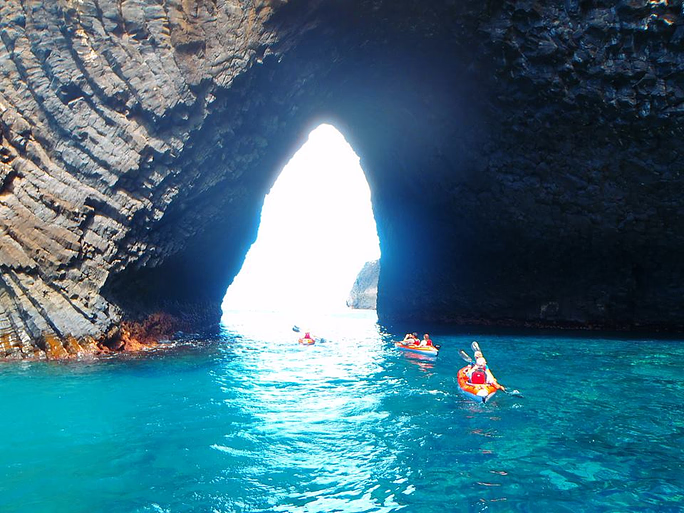
Older children and teenagers may enjoy a guided snorkel or a boat trip along the coast. Operators set their own age and safety rules, so ask about life jackets, supervision and minimum ages when you book.
Walks and Nature
Pine forest, farmland, coastal cliffs and protected reserves make up much of the island, and many walks are short enough for children.
Norfolk Island National Park and Botanic Garden
The national park has forest tracks of varying difficulty. Children who enjoy birdwatching can listen for native species, while the botanic garden area offers gentler walking with plenty of plants to point out. Match the track to your youngest walker and carry water and snacks.
Mount Pitt
Mount Pitt is the island’s highest point and offers wide views over the coast and the ocean. Children often enjoy picking out landmarks from above, such as the airstrip and the shoreline at Kingston.
Coastal Lookouts
Lookouts suit families who want a scenic stop without a long hike. Keep children away from cliff edges and hold the hands of smaller children near drop-offs.
History Children Can Enjoy
History can feel distant to young visitors, but Norfolk Island offers a physical way into the subject.
Kingston Ruins
The convict-era ruins give children room to walk and imagine how people lived. Turn the visit into a game by asking them to find the oldest-looking wall, count chimneys or spot dates carved in stone. Remind them that cemeteries and chapels call for quiet behaviour.
Museums and Guided Experiences
Museum displays about the Bounty story and the Pitcairn Islander community include objects, photographs and maps. Short visits of 30 to 45 minutes tend to work better for younger children. For more depth, look at the guided tours available on the island and choose sessions with a length and pace that suit your children.
Wildlife and Rural Scenes
Cattle often graze beside roads and reserves, and drivers are expected to give way. Children usually find this entertaining, and it opens a simple conversation about island life. Seabirds and forest birds add to the wildlife interest, so a small pair of binoculars can be useful.
Family Activities by Age
| Age Group | Suggested Activities | Planning Note |
|---|---|---|
| Toddlers and preschoolers | Shallow swimming at Emily Bay, short garden walks, beachside play | Plan around naps and shade |
| Primary school age | Rock pooling, botanic garden walks, Kingston ruins game | Keep visits short and varied |
| Early teenagers | Snorkelling, Mount Pitt views, guided history tours | Suited to longer outings |
| Older teenagers | Boat trips, longer park walks, photography | Allow some independent choice |
| Mixed ages | Coastal drives with beach stops, picnics | Alternate active and calm days |
Always match activities to your own children’s confidence and your supervision needs.
Choosing Family Accommodation
Where you stay shapes the whole holiday. Families usually look for room layouts that let children sleep without disturbing adults, plus space to eat, sit and store gear. A kitchen or kitchenette helps when children have set meal times.
When you review family accommodation on Norfolk Island, check bed arrangements, bathroom setup and whether extras such as cots or highchairs can be supplied.
Facilities That Help Families
A pool gives children somewhere to burn energy when the weather turns, an on-site meal option helps on tired evenings, and laundry facilities reduce how much clothing you need to pack. The list of on-site amenities is a useful place to see which of these are available and to compare them with other properties.
Building a Simple Daily Rhythm
Young children do best with a predictable pattern. A workable day might look like this.
Morning
Plan the more active outing first, such as a walk, beach visit or museum stop. Temperatures are usually more comfortable and children have more energy.
Midday
Return for lunch and rest, or pack a picnic and find a shaded spot. A midday pause helps prevent late afternoon tiredness.
Afternoon and Evening
Choose something light, such as a drive to a lookout or a short beach visit. Early dinners suit most families, and an early night leaves everyone fresh for the next day.
Safety and Practical Tips
- Apply sun protection even on cloudy days and bring hats for children.
- Supervise all water activities closely and follow local advice.
- Carry water, snacks and a small first aid kit.
- Drive slowly, since livestock and walkers share many roads.
- Check opening hours and booking requirements before heading out.
- Pack light waterproof layers, because weather can change during the day.
Frequently Asked Questions
Is Norfolk Island safe for young children?
The island is generally quiet and relaxed, but normal precautions apply. Supervise children near water and cliffs, and take care on roads shared with cattle and vehicles.
What is the best beach for families?
Emily Bay is widely considered the most suitable for family swimming because of its reef-sheltered water. Conditions vary, so check local advice on the day.
How many days should a family stay?
Four to seven days gives enough time for beaches, a few historical sites, some walks and a rest day without rushing young children.
Can I arrange cots, highchairs or special meals?
Availability differs between properties. It is best to contact the resort before you travel and confirm these details in writing.
Do I need to hire a car?
Many families find a vehicle helpful for short trips between beaches, lookouts and Kingston, especially with young children and gear. Confirm rental options before you arrive.
What should I pack for children?
Pack sun hats, swimwear, water shoes, light layers, insect repellent and a small daypack for snacks. Bring regular medication and comfort items as well.
Final Thoughts
Family-friendly things to do on Norfolk Island centre on simple pleasures: sheltered swimming, short walks, accessible history and time outdoors. Keep days short, build in rest and choose accommodation that suits your group. To see how one property describes its setting and services, you can read about Cumberland Resort and Spa on its main website.