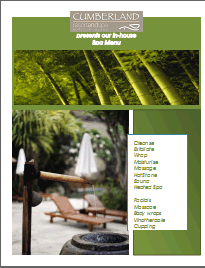
Choosing where to stay on Norfolk Island can shape the entire feel of a trip, and the island offers a mix of accommodation styles to suit different preferences and budgets, from hotels to self contained cottages and resort properties such as Cumberland Resort and Spa. Each style comes with its own advantages, and understanding the differences between them can make it easier to decide what suits your plans. This guide looks at how these accommodation types typically differ, what to expect from each, and the kinds of travellers they tend to suit best.
Understanding Norfolk Island’s Accommodation Options
Norfolk Island’s accommodation scene reflects its small size and relaxed pace. Rather than large chain hotels, most options fall into a few broad categories, including traditional hotels, standalone cottages, and resort style properties that combine private rooms with shared facilities such as pools or spa areas. Each style offers a different balance between privacy, convenience and access to on site amenities.
Hotels: Convenience and Simplicity
Hotels on Norfolk Island generally offer straightforward, no fuss accommodation with amenities such as daily housekeeping, on site dining, and simple check in and check out processes. This style tends to suit travellers who want convenience without needing to manage their own cooking or cleaning during their stay.
Who Hotels Tend to Suit
Hotels are often a practical choice for shorter stays, business travel, or visitors who prefer having services handled for them rather than managing a self contained space. They can also suit those travelling alone or in pairs who don’t need the extra space a cottage or larger unit might offer.
Cottages: Space and Independence
Cottages are a popular choice on Norfolk Island, particularly for families or longer stays. These self contained properties typically include their own kitchen, living area and outdoor space, giving guests more independence over meals and daily routines. Cottages often suit travellers who prefer a quieter, more private setting away from shared facilities.
Who Cottages Tend to Suit
Families, groups travelling together, or those staying for an extended period often find cottages practical, since the extra space and kitchen facilities can make longer stays more comfortable and cost effective. Cottages can also suit travellers who simply prefer more privacy during their trip.
Resorts: A Blend of Privacy and Shared Facilities
Resorts sit somewhere between hotels and cottages, typically offering private rooms or suites alongside shared amenities such as pools, spa facilities, and on site dining. This style can suit travellers who want some of the independence of a self contained stay while still having access to additional facilities without leaving the property. For those interested in rooms that combine private space with added extras, options such as a 1 bedroom executive spa suite illustrate how resort accommodation can include features like a private spa bath within a self contained layout.
Who Resorts Tend to Suit
Couples or travellers looking for a more relaxed, indulgent stay often gravitate toward resort style accommodation, particularly when facilities such as spa treatments or pools are part of the appeal. A private spa suite is one example of how this style of accommodation can combine a self contained layout with added extras. Resorts can also suit those who want the option of dining on site without committing to full self catering throughout their stay.
Comparing Accommodation Styles at a Glance
| Accommodation Type | Typical Layout | Best Suited For | Level of Independence |
|---|---|---|---|
| Hotel | Private room, shared facilities | Short stays, business travel, solo or couples | Low to moderate |
| Cottage | Self contained, own kitchen | Families, groups, longer stays | High |
| Resort | Private suite with shared amenities | Couples, relaxation focused stays | Moderate |
Factors to Consider When Choosing
Length of Stay
Shorter stays often work well with hotel style accommodation, where convenience is prioritised over independence. Longer stays, on the other hand, tend to suit cottages or resort suites, where having a kitchen or additional space can make daily life more manageable over an extended period.
Group Size and Travel Companions
Families or larger groups usually benefit from the extra space and separate living areas that cottages provide, while couples or solo travellers may find a hotel room or resort suite sufficient for their needs. It’s worth considering how much shared or private space each member of your group will need before deciding.
Access to Facilities
If activities such as spa treatments, pools or on site dining are important to your trip, resort style accommodation is generally better positioned to offer these without requiring separate bookings elsewhere. Cottages, by comparison, prioritise independence over built in facilities, so any additional services would typically need to be arranged separately.
Budget Considerations
Costs can vary across all three accommodation types depending on the specific property, season, and length of stay. Cottages can sometimes offer better value for longer stays or larger groups, since the cost is often spread across more people and self catering can reduce dining expenses. Hotels and resorts, meanwhile, may offer more predictable pricing structures that include additional services as part of the stay.
Planning Your Stay
Booking in Advance
Norfolk Island’s accommodation options are limited compared to larger destinations, so booking ahead of time is generally advisable, particularly during peak travel periods. This applies across hotels, cottages and resorts alike, since availability can be tighter than travellers might expect from a small island. Reaching out to confirm availability before finalising travel plans can help avoid disappointment.
Matching Accommodation to Your Itinerary
Thinking through how you plan to spend your time on the island can help guide your choice. Travellers planning a packed itinerary of sightseeing may prioritise convenience and simplicity, while those planning a slower, more relaxed trip might lean toward a resort setting with access to spa or pool facilities. For an overview of how a resort style stay is structured, including available room types and amenities, Cumberland Resort and Spa provides a general starting point for comparing what’s included.
Getting Advice Before You Book
If you’re unsure which accommodation style would suit your trip, it can help to ask directly about what’s included with each option, from kitchen facilities to spa access. Contacting the team ahead of your booking is a straightforward way to clarify details and confirm availability before committing to a particular stay.
Final Thoughts
Choosing between a hotel, cottage or resort on Norfolk Island largely comes down to how much independence, space and access to facilities you want during your stay. Hotels suit convenience focused travellers, cottages suit families and longer stays, and resorts offer a middle ground for those wanting private accommodation alongside shared amenities. Considering your group size, length of stay and priorities before booking can help ensure the accommodation style you choose matches how you plan to spend your time on the island.
Frequently Asked Questions
What is the main difference between a hotel and a resort on Norfolk Island?
Hotels typically offer straightforward private rooms with shared facilities such as dining, while resorts often combine private suites with additional amenities like spa areas or pools as part of the stay.
Are cottages more suitable for families than hotels?
Generally, yes. Cottages offer separate living spaces and kitchen facilities, which can make them more practical for families or groups needing extra room and independence.
Is resort accommodation more expensive than a hotel or cottage?
This depends on the specific property and what is included. Resorts often bundle additional facilities into the cost, while hotels and cottages may offer more basic pricing without extras such as spa access.
How far in advance should I book accommodation on Norfolk Island?
Booking several weeks or months ahead is generally recommended, particularly during busier travel periods, since the island has a more limited number of available properties compared to larger destinations.
Can I get spa access if I choose a cottage instead of a resort?
This depends on the specific property and its facilities. Some cottages may not include spa access, so it’s worth checking directly with the accommodation provider if this is a priority for your stay.